1800 623 312
 Australia


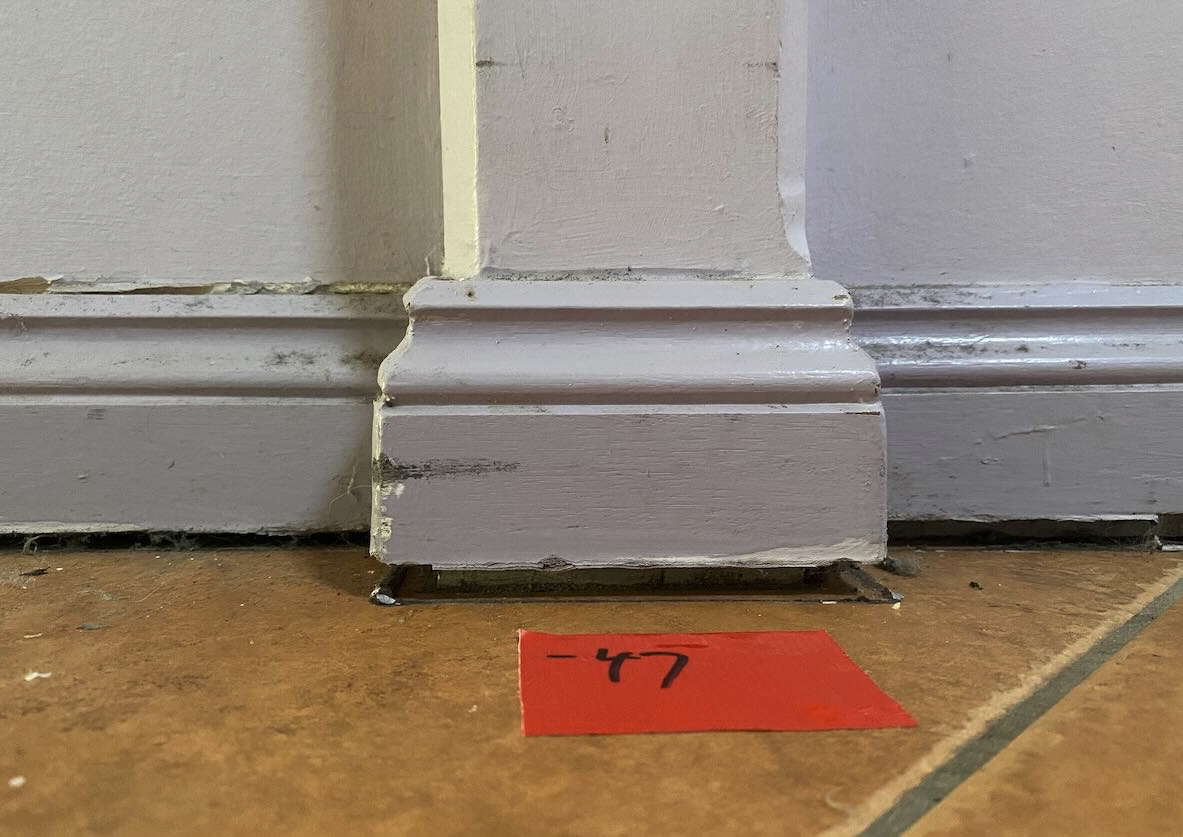
A Sign Of Subsidence
What does a sinking floor or concrete slab mean?
Sinking concrete floors or slabs are an indication of building subsidence
Our bespoke solutions for slab lifting and re-levelling methods address the underlying subsidence problem by strengthening the ground beneath.
Our level correction methods can cater to any building size, from homes and driveways to warehouses and transport yards, and are non-invasive, cost-effective, and time-efficient, with minimal disruption to the occupants.
Fast, clean and non-invasive lifting of sinking floors and concrete slabs.
Video
Residential Sinking Floor & Slab
Our Teretek® Resin Injection technology can raise, re-level and re-support sinking floors and slabs.
Watch how our non-invasive, cost-effective technology raises and re-levels a sinking residential internal floor and external concrete slab.


Sinking Floor & Slab Repairs
Before & After Treatment
Houses that need to be re-levelled often experience internal and external sinking floors and slabs.
These houses require their foundations to be re-levelled.
Mainmark’s non-invasive and cost-effective solutions can raise, re-level and re-support your home. Our innovative methods minimise site disruption and are completed within one day.
*Results may vary depending on site conditions, ground behaviour and specific requirements of each project.

Features & Benefits
Mainmark’s Solutions & Technologies

Fast
Our technologies have fast curing times and treated areas can be used immediately or without the delays compared to traditional repair methods.

Environmentally Inert
Our technologies use an inert material that is non-toxic and does not leach into the environment or affect the treated area.

Non-Invasive
Our solutions are of surgical nature compared to traditional methods.

Cost-Effective
Compared to traditional methods, our solutions are more cost-effective, with minimal disruption to the area.

External Sinking Floors or Slabs
Outside Your Home
You may also notice sinking or gaps in concrete slabs outside your home, such as in your driveways, paths and patios.
If these outdoor areas are experiencing sinking, it could also indicate deeper issues underground.
The risks outside can vary, but include damage to underground wiring or services, drainage breaks or leaks, and other safety hazards.
Re-levelling your concrete here is key to ensuring a safe, functioning, and aesthetic outdoor space.
What causes sinking floors and slabs?
There are many different causes of subsidence and various contributing factors.
All involve some change in the ground, which, in turn, generates movement of the soil.
As well, different types of ground are more affected by different conditions.
When ground has been affected, building subsidence is common. Foundations or footings are no longer fully supported, sinking due to weak ground.
Soil Types
Moisture levels in the soil affect reactive clays as they expand and contract.
Oversaturated clays lose their strength resulting in footing subsidence. In loosely packed soils, such as sand and silt, the fine particales in the soil can wash away causing the footing to settle.
Tree Roots
Neighbouring trees and shrubs absorb water using their roots causing movement in the soil as it soaks up moisture in the ground.
Footing Systems
Poor foundation design or inadequate compaction of soil during construction results in movement of the structure as it settles.
Excess Water
Burst or cracked water pipes including blocked sewage and rain gutters can oversaturate clay soils or wash fine particles from sand and silt soils and cause footings to subside.
Extreme or Seasonal Weather
Natural disasters such as flooding, drought and earthquakes affect soil moisture levels in particular clay resulting in excessive foundation movement.
Renovation or Construction
Vibration caused by nearby construction activity such as drilling or piling, or heavy road traffic causes soil particles to shift and settle, resulting in ground subsidence.
Projects
Featured Residential Projects
Why Choose Mainmark
The Leaders in Foundation Re-levelling
Get a quote
Arrange a site assessment in 3 simple steps:
Step 1
Submit your enquiry using our online form. Include a brief message about the type of foundation issues you are experiencing.
Step 2
Our friendly customer service team will be in touch to schedule a site assessment that suits you.
Step 3
One of the Mainmark experts will visit your home or property, assess the damage, and ascertain the likely cause. They will establish the approach needed, creating a plan specific to the needs of your building and provide you with a detailed quote.
Sinking Floor Repair FAQs for Australian Homeowners
What are the signs of a sinking floor?
A sinking floor can be a sign of structural issues in your home and should be addressed promptly. Here are some common signs to watch for:
Visible Slope or Unevenness
- The floor appears slanted or noticeably uneven when you walk across it.
- Furniture may tilt or wobble without reason.
Cracks in the Floor or Walls
- Cracks may appear in floorboards, tiles, or the foundation.
- Cracks in walls, particularly near doors and windows, can accompany sinking floors.
Gaps Between Walls and Floors
- Gaps may develop where the floor meets the walls, indicating a shift in the structure.
Bouncing or Sagging Floorboards
- Walking across the floor feels “springy,” bouncy, or soft.
- Floorboards may creak more than usual or sag when pressure is applied.
Doors and Windows Misaligned
- Doors and windows become difficult to open or close properly due to shifting frames.
Water Damage
- Signs of water damage, such as warping, stains, or rot, may indicate a compromised subfloor.
Foundation Issues
- Visible cracks or sinking areas in the foundation can cause the floor above to sink.
Unusual Noises
- Increased creaking, popping, or groaning sounds when walking on the floor.
What are the common causes of a sinking foundation?
- Poor foundation support or settlement
- Water damage from leaks or flooding
- Rotting or damaged floor joists
- Soil erosion or compaction beneath the foundation
- Inadequate construction or aging materials
Mainmark also provide the following in Australia: wall crack repairs, sinking floor repair, Concrete slab repair, sinking foundation repair, underpinning, ground improvement, re-levelling, subsidence repair, void filling and slab lifting
Why is my floor sinking in one part of the house?
A floor may sink in one area when the ground beneath the home has moved, weakened or lost support. This can be caused by subsidence, leaking pipes, poor drainage, reactive soils, erosion or voids beneath the slab. If the floor is dropping, sloping or separating from walls, a site assessment can help identify the cause.
Are sinking floors a sign of foundation problems?
Sinking floors can be a sign of foundation movement, especially when they appear with cracked walls, sticking doors, uneven skirting boards, cracked tiles or gaps around windows. Not every uneven floor is structural, but if the issue is getting worse, it may indicate subsidence or loss of support beneath the home.
When should I worry about uneven or sloping floors?
You should investigate uneven floors if they are becoming more noticeable, spreading across rooms or appearing with other signs of movement. Warning signs include cracked walls, jammed doors, gaps under skirting boards, cracked floor tiles or sinking concrete. These issues can suggest the ground beneath the home is shifting or losing support.
What causes concrete floors to sink in Australian homes?
Concrete floors can sink when the ground beneath the slab changes or weakens. Common causes include reactive clay soils, excess moisture, leaking pipes, poor compaction, erosion, tree roots, drought and heavy rainfall. These ground changes can create voids or weak areas beneath the slab, causing the floor to drop or become uneven.
Can a sinking concrete floor be lifted without replacing the slab?
In many cases, yes. If the concrete slab is structurally suitable and the issue is caused by voids or weak ground beneath it, resin injection may be used to lift and re-support the affected area. This can often avoid full slab replacement, major excavation and unnecessary disruption inside the home.
Can resin injection repair sinking floors?
Resin injection can help repair sinking floors where the problem is linked to weak ground, voids or subsidence beneath the slab or foundation. The resin is injected through small holes, expands beneath the surface, fills voids and helps improve ground support. A site assessment is needed to confirm suitability.
How does Mainmark fix sinking floors?
Mainmark assesses the home to understand what is causing the floor to sink. Depending on the site conditions, Mainmark may use Teretek® resin injection to fill voids, improve ground support and help lift or re-level the affected floor area. The process is designed to be targeted, practical and minimally disruptive.
How much does sinking floor repair cost in Australia?
The cost of sinking floor repair depends on the size of the affected area, how far the floor has moved, the cause of the movement, site access and the repair method required. A professional site assessment is the best way to receive accurate advice and a tailored quote for your home.
Is a sinking floor the same as house subsidence?
A sinking floor can be one sign of house subsidence, but it is not the only possible cause. Subsidence occurs when the ground beneath the home sinks or loses support, which can affect floors, walls, slabs and foundations. Mainmark can assess whether your sinking floor is linked to subsidence or another issue.
Can sinking floors cause wall cracks?
Yes. When a floor or foundation moves unevenly, it can place stress on walls, brickwork, tiles and internal finishes. This may lead to cracks in plaster, brickwork or around doors and windows. If cracks are appearing at the same time as sinking floors, the underlying movement should be assessed before cosmetic repairs are completed.
Should I fix wall cracks before repairing a sinking floor?
If wall cracks are caused by a sinking floor or foundation movement, it is usually better to address the underlying issue first. Patching, painting or repairing cracks may only provide a temporary cosmetic fix if the floor is still moving. Once the home is re-supported, cosmetic repairs can be completed with more confidence.
Can Mainmark repair sinking internal floors and outdoor concrete slabs?
Yes. Mainmark can assess sinking internal concrete floors as well as outdoor slabs such as driveways, paths, patios and garage floors. These problems may be caused by similar ground issues, including voids, weak soils or poor drainage. The right repair method depends on the slab condition and what is causing the movement.
How long does sinking floor repair take?
Timing depends on the size of the affected area, site access, the amount of movement and the repair method required. Resin injection repairs can often be completed faster than traditional excavation-based methods because the process is targeted and requires minimal disruption. Mainmark can provide clearer timing after assessing the property.
Who fixes sinking floors near me in Australia?
Mainmark provides sinking floor, concrete slab lifting, foundation repair and house re-levelling solutions for homeowners across Australia. If you are searching for sinking floor repair near you, Mainmark can assess the property, identify the likely cause of the movement and recommend a practical repair solution.
Why choose Mainmark for sinking floor repairs?
Mainmark is a specialist ground engineering company with decades of experience repairing sinking floors, uneven slabs, subsidence and foundation movement in Australian homes. Homeowners choose Mainmark for practical site assessments, engineered repair methods, minimal disruption and solutions focused on treating the cause of the movement, not just the visible damage.

© 2026 The Mainmark group of companies. ‘Mainmark®’, ‘Terefil®’, ‘Terefirm®’ and ‘Teretek®’ are trademarks of the Mainmark group of companies.
Mainmark Ground Engineering Pty Ltd
ABN: 51 606 182 503