1800 623 312
 Australia


Sunken Concrete Repair
Raise, Re-level & Re-support Sinking Concrete without Demolition.
We inject engineered resin to improve your founding soil when you need to re-level your concrete slabs.
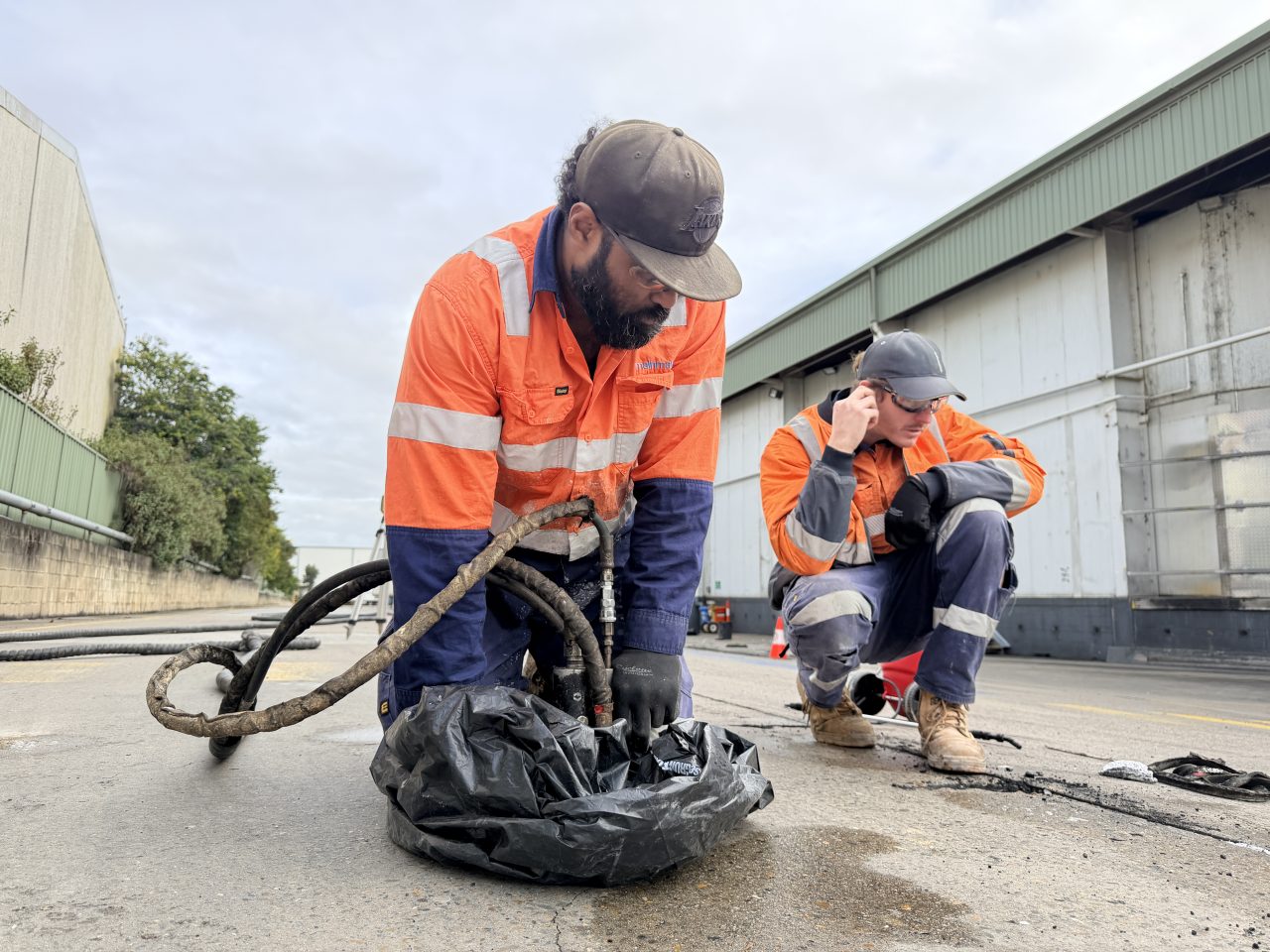
Mainmark uses Teretek® engineered resin injection to fill voids, improve support beneath concrete slabs and deliver controlled level correction.
Our slab-lifting solutions can be used across homes, commercial and industrial facilities, and infrastructure throughout Australia.
Slab-lifting experience since 1989 – In-house engineering expertise – ISO 9001, ISO 14001 & ISO 45001 accredited – 50-year Teretek® product warranty –
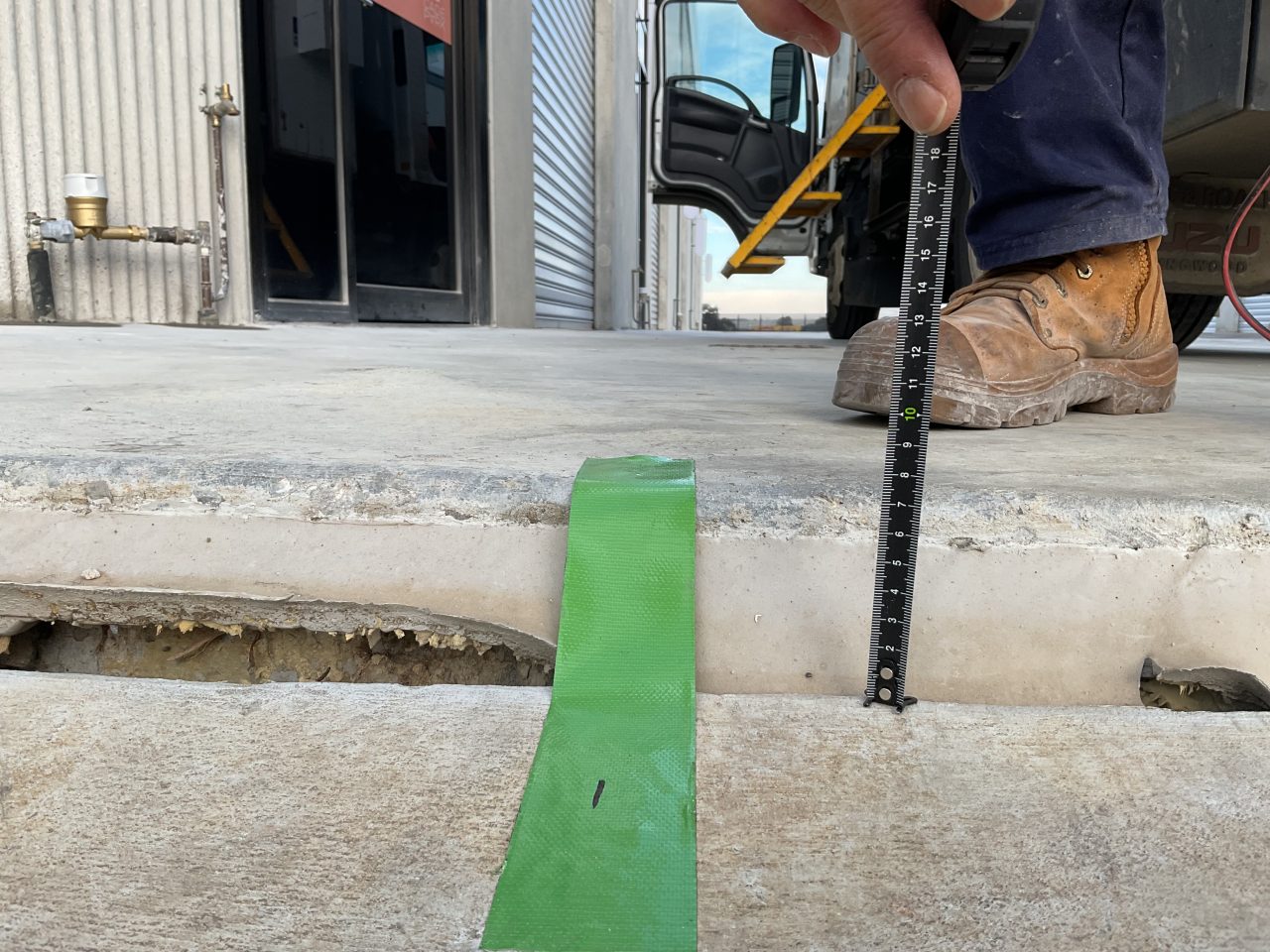
Lift Sunken Concrete without Replacing the Alab
Slab lifting is the process of raising and re-supporting concrete that has sunk because the ground beneath it has settled, weakened or washed away.
Slab lifting is the process of raising and re-supporting concrete that has sunk because the ground beneath it has settled, weakened or washed away.
Also known as concrete lifting, concrete raising, concrete levelling or slab jacking, the process can restore an uneven slab without excavating and replacing the existing concrete.
Mainmark injects lightweight Teretek® engineered resin through small, carefully positioned injection points. The resin expands beneath the slab, filling voids and improving contact with the supporting ground. Continued controlled injection can then gently raise the concrete towards the required level.
Unlike traditional mudjacking, Teretek® resin does not rely on a heavy cement slurry and can be applied through considerably smaller injection points.
Slab Lifting Solutions for Different Properties & Assets
Residential Slab Lifting
Raise and re-level sinking driveways, internal floors, garage slabs, pathways, patios, pool surrounds, steps and other concrete areas around the home.
Commercial & Industrial Slab Lifting
Restore warehouse floors, factory slabs, hardstands, loading areas, transport yards, car parks and other operational surfaces affected by settlement or voiding.
Infrastructure Slab Lifting
Re-support and correct concrete pavements, road slabs, bridge approaches, airport surfaces, rail platforms and other concrete infrastructure while minimising operational disruption.
Common Signs Include:
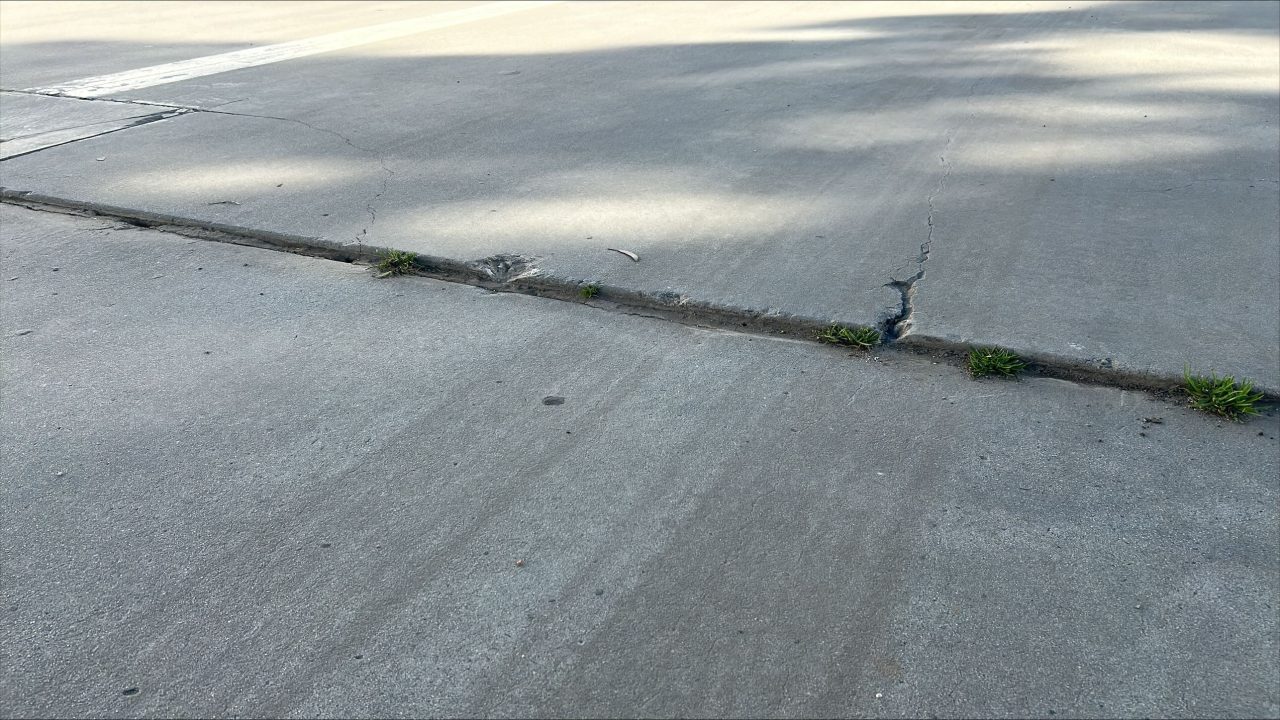
Signs a Concrete Slab May Have Lost Support
Sunken, sloping or out-of-level concrete
Trip hazards at concrete joints
Water ponding where it previously drained away
Water and fine material pumping through joints
Sunken Concrete Repair
Why do Concrete Slabs Sink?
Concrete slabs generally sink when the ground beneath them can no longer provide uniform support. Common causes include:
- Poor initial compaction: Fill placed beneath the slab gradually compresses under the slab’s weight.
- Water ingress and erosion: Heavy rain, leaking pipes, damaged drainage or unsealed joints can wash fine soil particles away.
- Voids beneath the slab: Loss of material creates unsupported areas that allow the slab to settle or deflect.
- Weak or moisture-sensitive soils: Changes in soil moisture can cause movement and uneven settlement.
- Repeated heavy loading: Trucks, forklifts and equipment can accelerate movement where the supporting ground is already weak.
- Decomposing organic material: Buried vegetation or other organic material can break down and leave voids.
Treating the visible concrete without understanding the underlying ground conditions can allow the problem to return.
Re-levelling a 20,000m² Warehouse
A 20,000 square metre warehouse facility had experienced significant subsidence across its entire footprint, negatively affecting the superstructure and floor slabs.
The Client engaged Mainmark to develop a suitable solution to restore the superstructure and floor slabs to their original design tolerances and make them fit for purpose.
Our Process
How Mainmark’s slab-lifting process works
A fIVE-step engineered process. No excavation, no long possessions. Treated areas return to full operational load immediately.
Step one
Site assessment
Mainmark assesses the affected slab, surrounding ground, drainage, access, services and likely cause of movement. The existing levels and required correction are established.
Step two
Treatment planning
A site-specific injection pattern is developed. Underground services are located before small injection points are drilled through or beside the slab.
Step three
Resin injection
Teretek® engineered resin is injected beneath the concrete. The expanding material fills accessible voids and improves support beneath the slab.
Step four
Controlled lifting
Further injection creates controlled lifting pressure. Movement is monitored throughout the process so the slab can be carefully raised towards the required level.
Step five
Return to service
The injection points are patched once treatment is complete. Treated areas can generally return to service immediately, subject to site-specific requirements.
Technologies Deployed
TERETEK® RESIN INJECTION
JOG COMPUTER CONTROLLED GROUTING
Video
Sunken Concrete Slab In Commercial Factory
Our Teretek® Resin Injection technology can raise, re-level and re-support subsiding concrete slabs.
Watch how our non-invasive, cost-effective technology raises and re-levels a subsiding concrete slab at a commercial property.
Slab Lifting
Before & After Treatment
A sunken slab can be a significant issue for operating a business.
It may result in fencing off areas, while equipment such as automated forklifts may not be able to function correctly. In the worst case, the sunken areas can become a health and safety risk for employees.
Our non-invasive and cost-effective solutions can raise, re-level and re-support concrete slabs with minimal disruption to business operations.
Features & Benefits
Slab Lifting Solutions

Fast
Correction with Teretek® Resin Injection can be completed within just a few hours rather than days.

Immediately Trafficable
As soon as the repair is completed, the area can be re-opened to traffic and full use.

Non-Invasive
Repairs are performed without the need for excavation, extensive disruption.

Cost-Effective
Compared to traditional methods, our solutions are more cost-effective.
Projects
Featured Projects
Slab Lifting & Concrete Re-levelling FAQs
Is slab lifting the same as slab jacking?
The terms are often used interchangeably. Both describe raising and re-supporting sunken concrete. Traditional slab jacking or mudjacking generally uses a cement-based slurry, while Mainmark uses lightweight Teretek® engineered resin injection.
How much does slab lifting cost?
Slab-lifting costs depend on the affected area, amount of settlement, volume of voiding, supporting ground conditions, site access, loading requirements and the level correction required. A site assessment is needed before an accurate quote can be provided.
How long does slab lifting take?
Many targeted resin-injection projects can be completed within several hours. Larger or more complex commercial and infrastructure projects may require staged treatment over a longer period.
How quickly can the concrete be used?
Treated areas can generally be returned to service immediately after the injection work is completed, subject to the site conditions and project requirements.
Can a cracked concrete slab still be lifted?
Potentially. A cracked slab may still be suitable if the concrete remains structurally serviceable and its sections can be raised safely. Badly fragmented or structurally failed concrete may require repair or replacement.
Will slab lifting repair the concrete cracks?
Slab lifting restores support and corrects levels beneath the concrete. Existing cracks, damaged joints or surface defects may still require separate cosmetic or structural repairs after lifting.
What is the difference between void filling and slab lifting?
Void filling restores support beneath concrete but does not necessarily raise it. Slab lifting combines re-support with controlled level correction to raise the concrete towards the required level.
Is slab lifting the same as underpinning?
No. Slab lifting generally corrects concrete floors, driveways, paths, pavements and hardstands. Underpinning or foundation repair addresses movement affecting the structural footings or foundations of a building.
How long does resin-injection slab lifting last?
Teretek® is engineered for long-term underground use and is backed by Mainmark’s 50-year product warranty. The overall outcome also depends on the condition of the slab and whether contributing issues such as leaking services, drainage or water ingress are addressed.
Get a quote
Arrange a site assessment in 3 simple steps:
Step 1
Submit your enquiry using our online form. Include a brief message about the type of problem you are experiencing.
Step 2
One of our expert team members will be in touch to schedule a site inspection that suits you.

© 2026 The Mainmark group of companies. ‘Mainmark®’, ‘Terefil®’, ‘Terefirm®’ and ‘Teretek®’ are trademarks of the Mainmark group of companies.
Mainmark Ground Engineering Pty Ltd
ABN: 51 606 182 503